Composite Materials in Shipbuilding: Advantages and Applications
Engineering guide to FRP composite hull molding, corrosion and weight benefits, marine applications, and Loyal Ship's naval design and supervision services.
Composite materials are increasingly adopted across modern shipbuilding thanks to their corrosion resistance, geometric design freedom, and strong structural strength-to-weight potential. In particular, fiber-reinforced polymer (FRP) has become a primary structural material for launches, excursion boats, passenger ferries, yachts, and specialized coastal craft.
Alongside advances in marine resins, reinforcing fibers, and naval engineering tools, composite hulls provide vessel operators, tourism businesses, and private owners with flexible options for custom-designed craft.
Composite Boat Manufacturing Technology
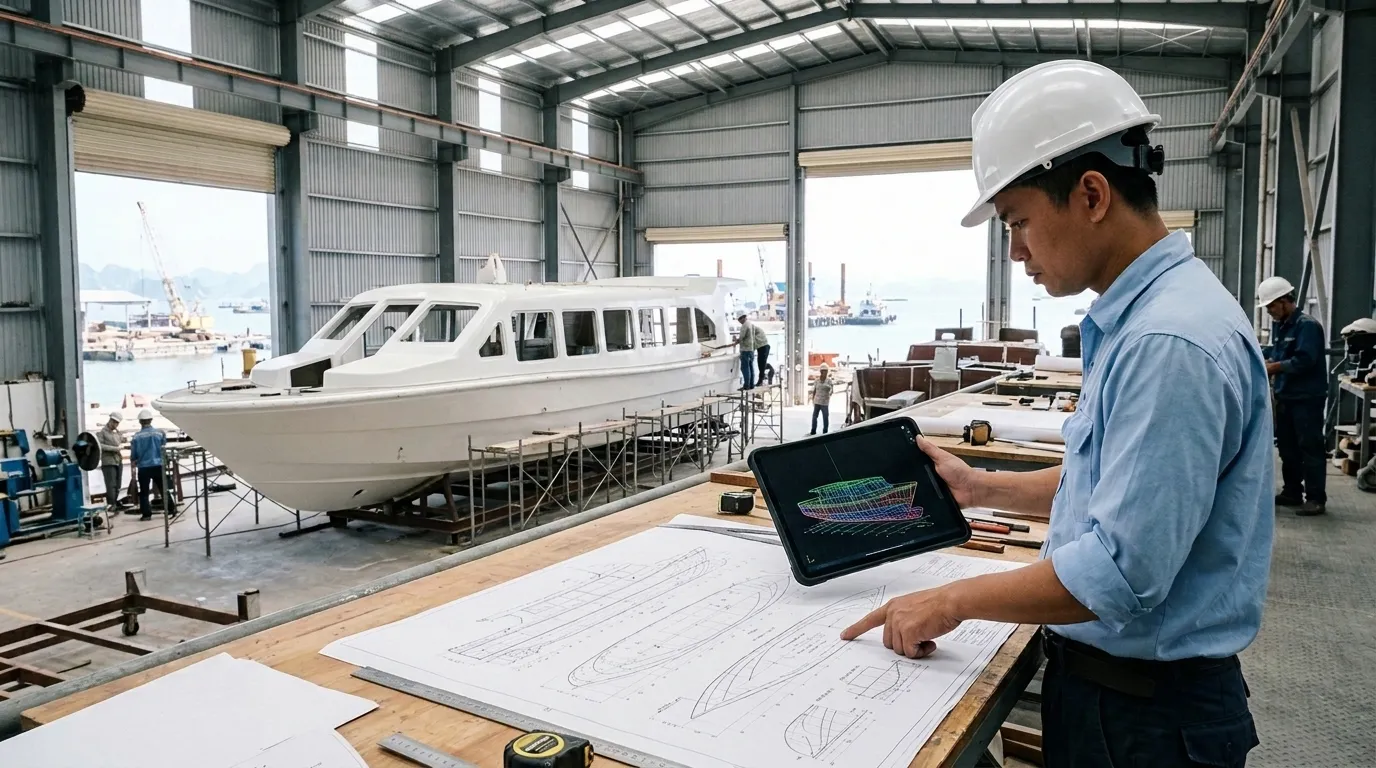
Unlike traditional wooden boatbuilding that joins individual planks and frames, composite hulls are typically molded into unified structures. Depending on structural drawings and engineering specifications, fabrication uses hand lay-up, vacuum infusion, or controlled resin-transfer processes.
During lay-up, engineered fiber plies are combined with marine-grade resin matrices to achieve the required tensile strength, stiffness, and impact resistance. Precise ply orientation, resin-to-fiber ratios, secondary bonding preparation, and curing schedules are critical to finished laminate integrity.
When properly engineered and molded, composite hulls form seamless monolithic shells that reduce leak paths and water ingress. Depending on operational requirements and classification rules, naval architects can also incorporate watertight subdivision bulkheads or reserve buoyancy foam compartments to improve survivability in emergencies.
However, flooded buoyancy always depends on overall naval architecture—compartment subdivision, reserve buoyancy margins, and actual loading conditions. A composite vessel is not automatically unsinkable unless damage stability is properly calculated during design.
Key Advantages of Composite Vessels
1. Corrosion Resistance
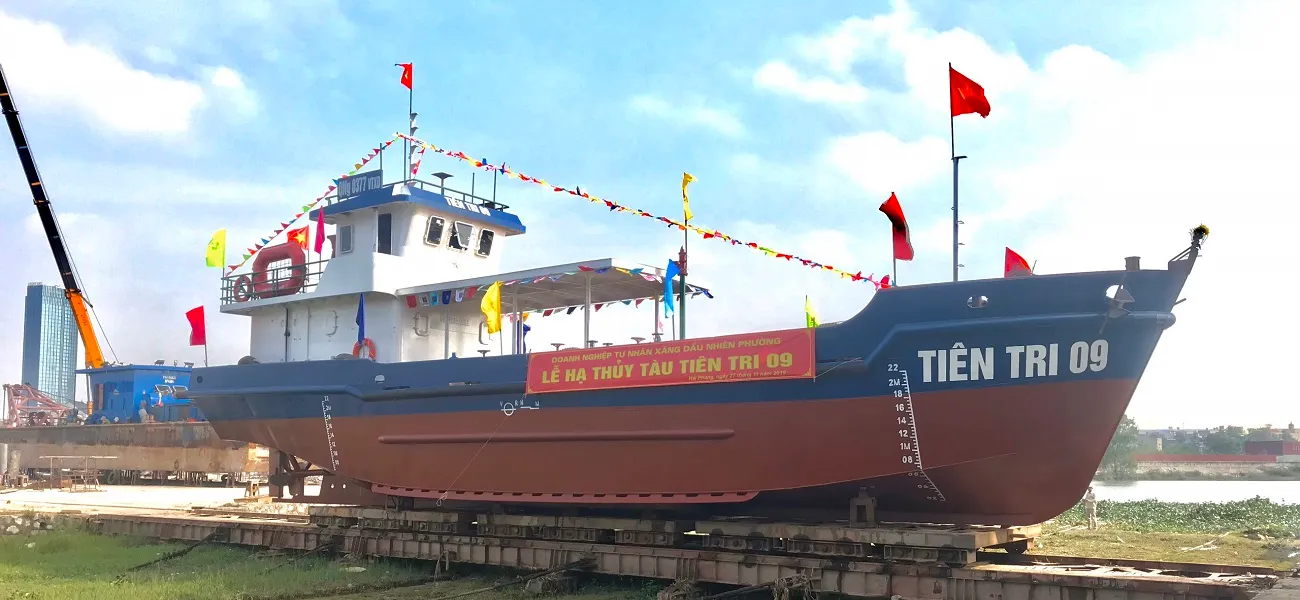
Seawater and saline humidity steadily corrode metallic structures, reducing service life if protective coatings degrade. Composite hulls do not rust like conventional carbon steel, eliminating hull plate corrosion and many associated maintenance interventions.
This characteristic is especially valuable for vessels operating continuously in coastal waters, island routes, and tropical marine environments. Even so, regular hull surveys remain essential to identify localized impact damage, delamination, or gelcoat wear.
2. Weight Optimization and Operating Efficiency
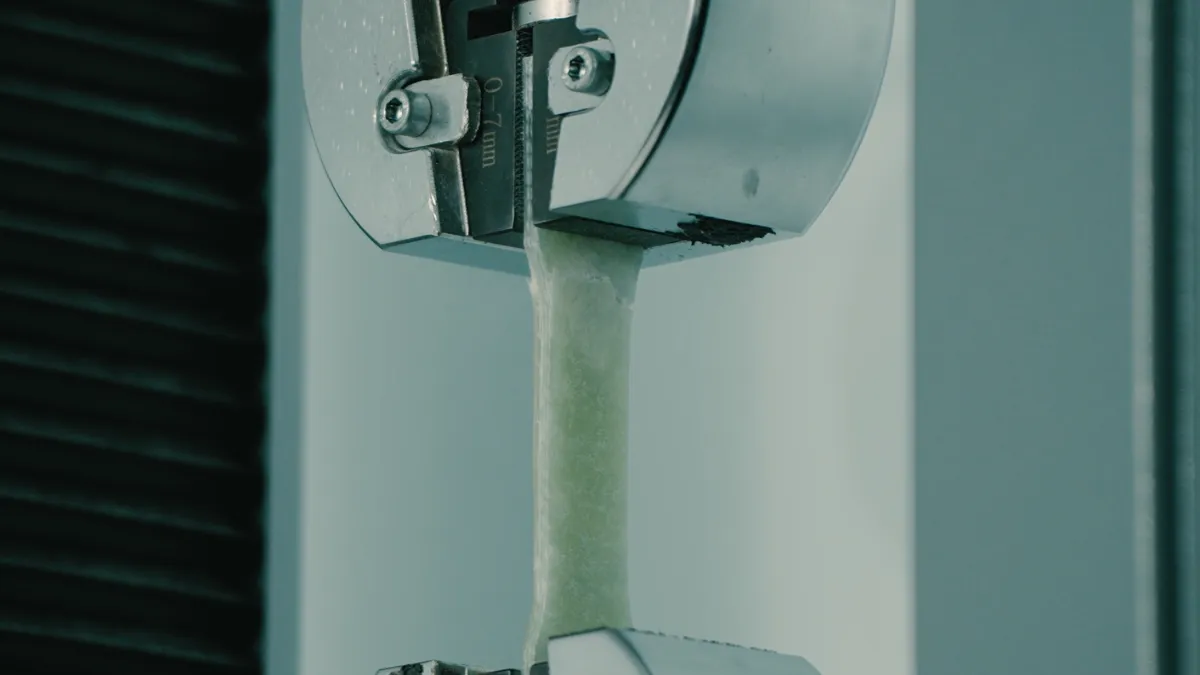
Across small- and medium-sized commercial craft, composites offer an advantageous strength-to-weight ratio compared with heavier traditional construction. When hull scantlings and stiffener grids are properly engineered, controlling lightship weight helps raise useful payload capacity and attainable service speed.
Actual fuel consumption still depends on hull hydrodynamics, engine matching, propeller efficiency, operating speed, and payload conditions. Total economic efficiency should therefore be evaluated across the integrated naval design rather than hull material alone.
3. Design Flexibility
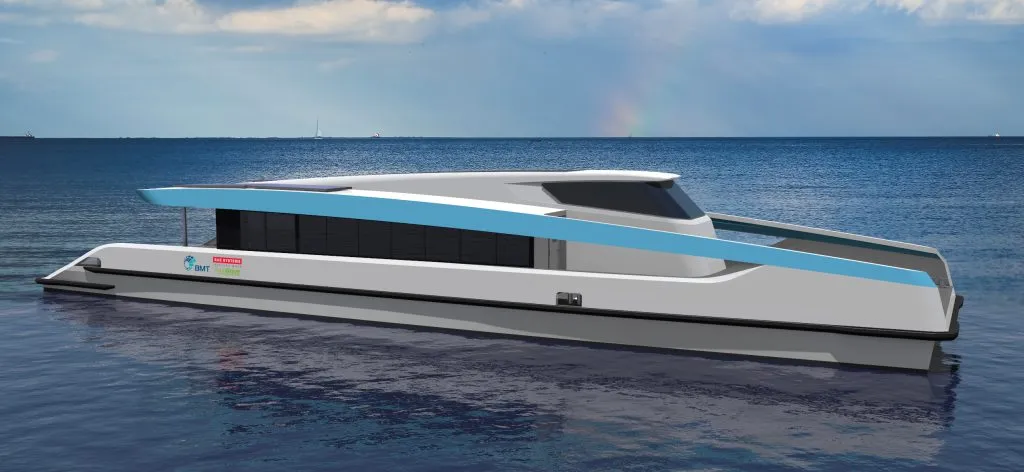
Composite molding enables complex chine geometries, flare bows, sleek deckhouse curves, and integrated structural components. This gives naval architects and yards substantial freedom to tailor length, beam, seating capacity, ergonomics, and interior layouts to specific routes.
Such geometric flexibility is particularly effective for high-speed sightseeing launches, island passenger transfers, resort tenders, and catamarans requiring wide deck stability.
4. Streamlined Lifecycle Maintenance
Because composite hulls do not require scale chipping, rust treatment, or corroded steel plate cropping during dry-docking, operators can shorten haul-out intervals and reduce structural upkeep over the vessel’s service life.
Inspection schedules and maintenance intervals must still follow classification regulations, manufacturer guidelines, machinery service requirements, and actual operating conditions.
Practical Applications of Composite Vessels
Thanks to its moldability and adaptability across operating profiles, FRP composite is widely deployed across maritime and inland waterway segments:
- Sightseeing Boats & Passenger Launches: Coastal tours, bay excursions, and high-frequency passenger water transport.
- Hospitality & Resort Tenders: Dedicated guest transfers linking mainland marinas, coastal resorts, and offshore islands.
- Fishing & Coastal Work Craft: Custom hold layouts, payload capacity, and seakeeping tailored to regional sea states.
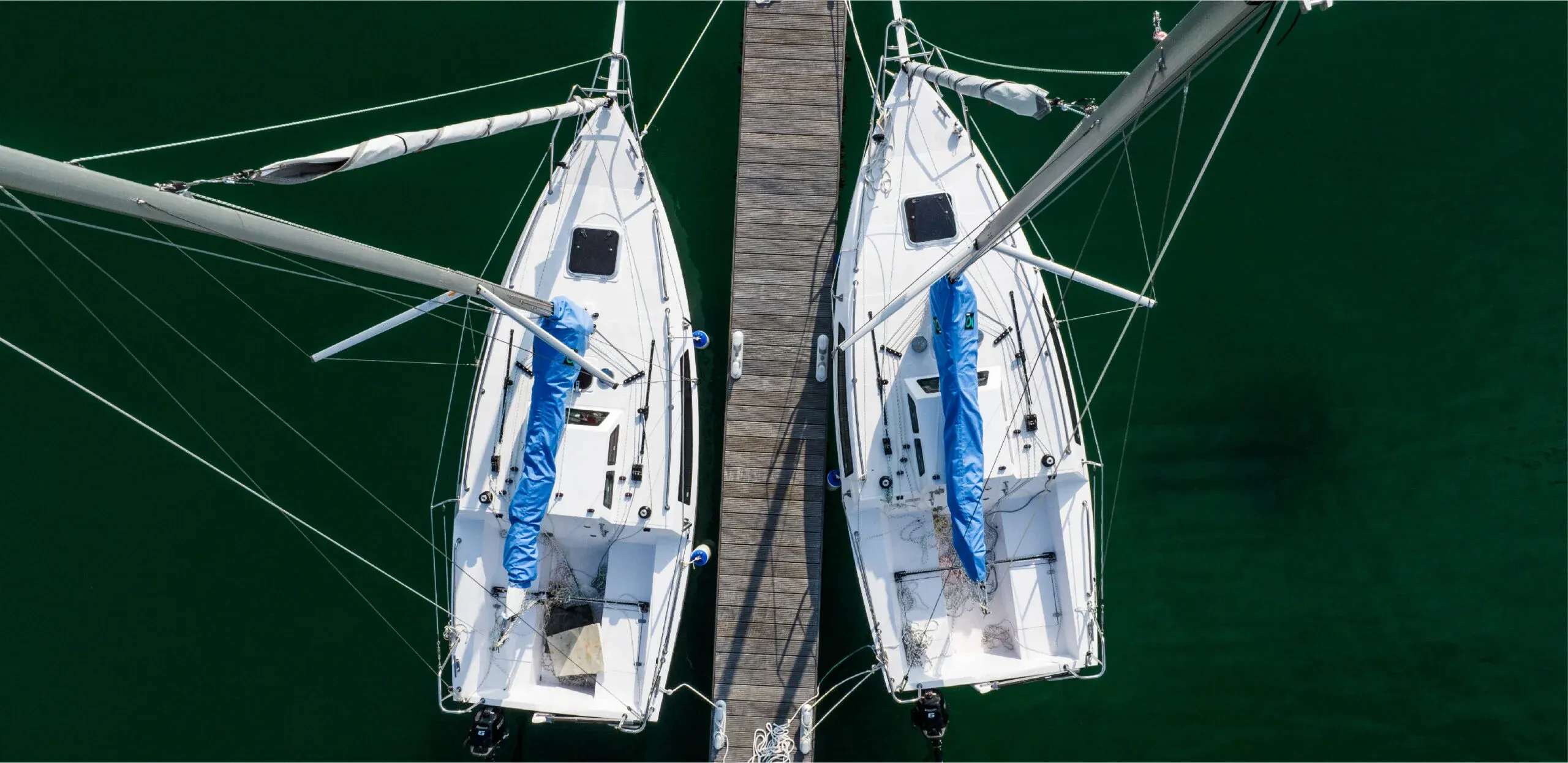
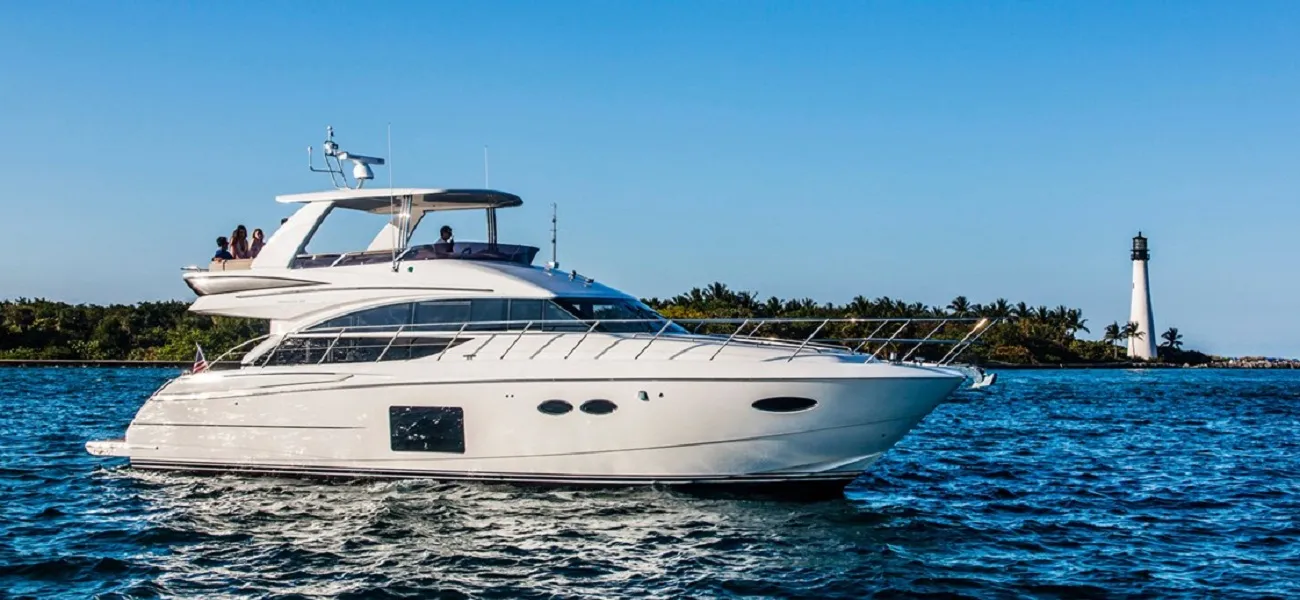
- Yachts & Catamarans: Hydrodynamic hull efficiency paired with refined exterior styling and spacious passenger arrangements.
- Service & Specialized Craft: Pilot boats, patrol launches, rescue craft, and duty-specific vessels engineered to relevant class standards.
Choosing the Right Naval Design & Composite Build Partner
A composite vessel’s long-term reliability depends not only on raw resins and fiberglass fabrics, but fundamentally on naval engineering rigor, yard lamination discipline, quality control, and statutory compliance.
Sound vessel procurement requires integrating hull hydrodynamics, laminate schedules, machinery foundations, bridge sightlines, passenger evacuation routes, and real sea-state criteria from the earliest design phase.
Drawing on experience since 2002, Loyal Ship Consulting & Design Co., Ltd. provides comprehensive ship design consultancy across steel, aluminum, and FRP composite vessels—spanning passenger boats, tourism cruisers, service vessels, and custom yachts.
Our hull, machinery, and electrical engineers support shipowners and builders end-to-end—from lines optimization, subdivision stability, and Vietnam Register (VR) design approval to on-site shipyard supervision and technical quality appraisal—ensuring every vessel balances safety, durability, and long-term operating value.
Planning a new composite or steel vessel project? Contact Loyal Ship Design to consult directly with our engineering team.